Need polyaspartic floor coating services in Marlborough?
Tell us about your garage or concrete floor. Michaelwilling Floor Coating will point you to an independent provider in the Marlborough area who can give you an estimate.
No obligationRequest a polyaspartic estimate
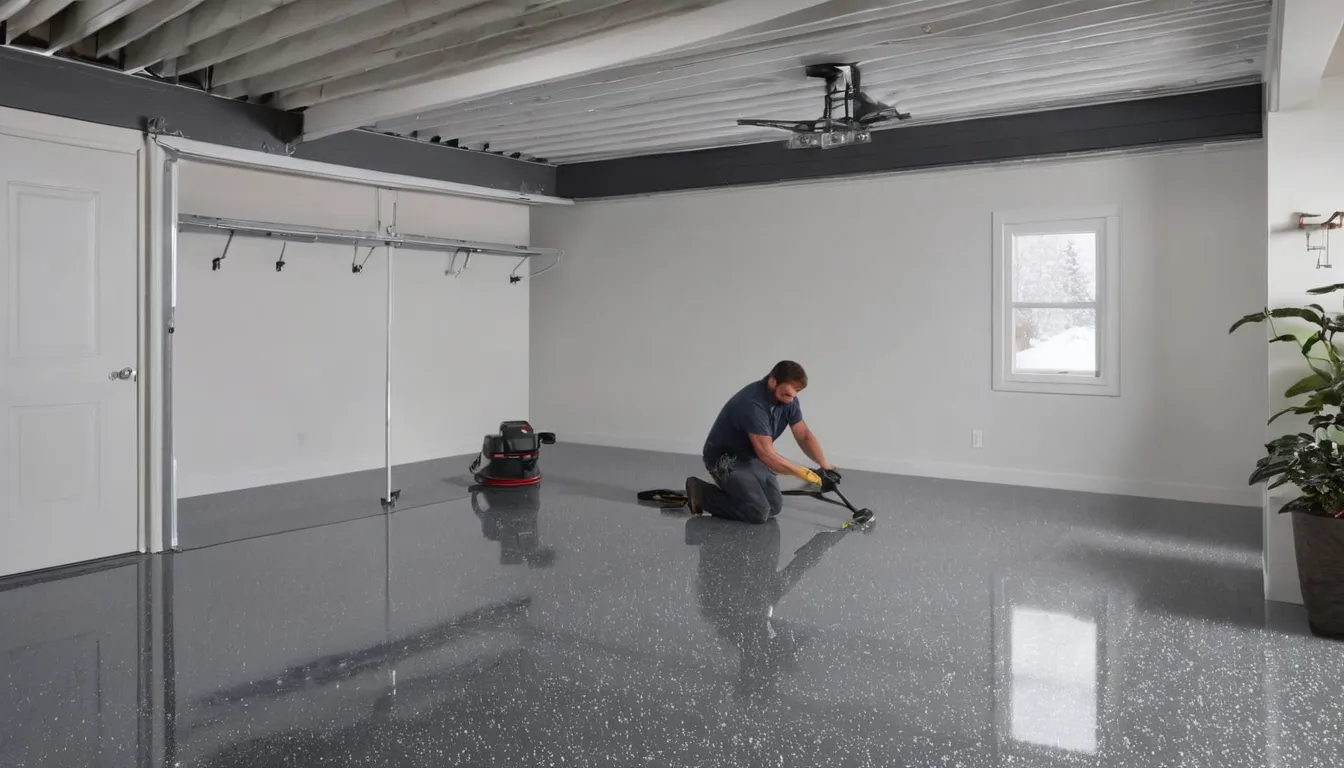
Polyaspartic is a fast-curing floor coating that gives garages and other concrete slabs a hard, glossy finish. It stands up to tire marks, road salt and sunlight, and many providers can return a floor to use sooner than with traditional epoxy. It is a common choice when a garage is needed again soon.
Older homes need extra thought. Past patches, aging concrete and moisture from a stone or block foundation can all affect how a coating holds. Michaelwilling Floor Coating is a referral service that connects you with an independent local provider in the Marlborough area. The provider inspects the slab, explains the options and gives a written quote. Start with the slab, and the coating has a better chance of lasting.
Say the garage floor was just patched, and the car has been parked in a snowy driveway all week. Every extra day feels long. That is why many homeowners look at polyaspartic. It cures faster than most epoxy, so a garage can often return to use sooner. Timing depends on the product, the slab and the weather, so ask each provider for their own schedule.
Polyaspartic is a tough, clear or tinted coating. Think of it as a close cousin of polyurea. A provider rolls or squeegees it over a prepared slab, and it hardens into a smooth, sealed surface. It holds up well to sunlight, so it tends not to turn yellow near an open garage door.
Picture two cans on a shelf. Epoxy is thicker and cures slowly. Polyaspartic is thinner and cures fast. Epoxy garage floors are still a popular pick and often cost less. Polyaspartic usually costs more, but it dries sooner and handles sun and temperature swings well. Neither is right for every slab. A good provider explains why they lean one way.
Say a house is eighty years old. The garage floor has hairline cracks, a patch from some past repair, and a faded spot where an old sealer wore off. Nobody remembers what sits under that patch. That is the hidden-surprise side of older homes. Older floors, careful prep. Polyaspartic sets quickly, so there is little time to fix problems mid-job. The grinding, crack work and cleaning all happen first.
Picture a basement or garage slab that looks fine in summer. By spring, a faint white powder shows up near the wall, and a damp patch lingers after snowmelt. Those are small signs. Others include:
Catching them early often means a simpler repair and a cleaner base for coating.
Stone and block foundations and full basements can let moisture rise through a slab. A coating over a wet slab may bubble or peel. Many providers test moisture first. They may suggest a moisture-tolerant primer, or they may advise waiting for drier weather.
A full system uses a polyaspartic primer, base, flakes and topcoat. A hybrid uses an epoxy base with a polyaspartic topcoat. A hybrid can add thickness over a rough old slab and may lower the price. A full system suits a slab that is dry and sound. Ask the provider which fits your floor, and why.
Here is how a typical job goes.
Many garages take one to two days. Ask what the schedule looks like for your floor.
Garages are the obvious spot. It also suits basements that test dry, workshops, breezeways, porches and entry floors. These areas see sun, salt or heavy use. Providers can also offer custom floor finishes, such as solid colors, speckled flake blends and a gloss or satin look.
Cold, snowy winters and freeze-thaw cycles are hard on concrete. Spring snowmelt and coastal storms add moisture. Polyaspartic can often be applied in cooler air than many epoxies, which helps in spring and fall. The slab must still be dry and above the product's minimum temperature. Ask the provider about their limits before you pick a date.
Say your garage has one dim bulb and plenty of road salt. A solid dark gray shows every footprint. A mid-tone flake blend hides dirt and small scuffs. Lighter floors brighten the space but show tire marks. Ask to see small samples in your own garage light before you decide.
Small habits keep the surface looking good for years.
Some homeowners are also planning hardwood flooring installation in the living areas while a garage or basement gets coated. When you request an estimate, mention it. Providers in our network vary, and the referral can point you toward a good fit.
A written quote that answers these makes comparing providers easier.
The provider checks cracks, old patches, sealers and moisture before choosing a coating plan.
Grinding opens the concrete so the primer bonds well and old finishes are removed.
Chips, hairline cracks and worn joints are filled and leveled before any coating goes down.
Solid colors, flake blends and clear sealing coats finish the floor with a hard surface.
These are typical U.S. ranges and they vary by slab condition, size, prep needs and system type. Older floors with repairs often cost more to prepare. Always get a written quote before you agree to any work.
| Item | Typical range | Notes |
|---|---|---|
| Full polyaspartic system | $6 – $12 per sq ft | Primer, base, flakes and topcoat |
| Hybrid system (epoxy base) | $4 – $8 per sq ft | Adds build over rough slabs |
| Two-car garage, about 400 sq ft | $2,400 – $5,500 | Depends on system and finish |
| Diamond grinding prep | $1 – $3 per sq ft | Heavier for old sealers or paint |
| Crack and joint repair | $200 – $1,000 | Varies with number and size of cracks |
| Moisture testing or special primer | $100 – $800 | Common for basements and older slabs |
Tell us about the garage or slab, its age, and any cracks, stains or damp spots.
Michaelwilling Floor Coating refers you to an independent provider in the Marlborough area who handles polyaspartic work.
The provider inspects the slab and writes up the prep, system and price.
Pick a date that fits the weather and the slab's dryness with your provider.
You are introduced to a provider in your area who does the work, not Michaelwilling Floor Coating.
Guidance centers on aging slabs, past repairs and hidden surprises under old floors.
Request an estimate, compare written quotes and decide on your own schedule.
Asking for an estimate does not commit you to any provider.
Tell us about your garage or concrete floor. Michaelwilling Floor Coating will point you to an independent provider in the Marlborough area who can give you an estimate.
No obligationPolyaspartic cures faster than most epoxy, and many garages are finished in one to two days. Exact times depend on the product, slab moisture and temperature. Request a callback to check provider availability and ask for a schedule for your floor.
It depends on your slab and budget. Polyaspartic cures faster and resists sunlight yellowing. Epoxy often costs less and works well indoors. Many providers also offer a hybrid system that blends both.
Often yes, if the slab is sound and dry. A provider usually grinds the surface, repairs cracks and tests moisture first. Older floors with past patches or sealers may need extra prep.
Tell us about your garage or concrete floor. Michaelwilling Floor Coating will point you to an independent provider in the Marlborough area who can give you an estimate.
No obligation